Experience
Sewage Water Extraction in Birmingham
Sewage Water Extraction removes standing sewage and contaminated water from a property and restores the affected area to sanitary condition. If you have sewage backup, slow drains with contaminants, or a flooded fixture that contains blackwater, prompt extraction reduces health risks, structural damage, and lingering odors. This page explains what the service is, how it works, what to expect in Birmingham, AL, and how Emergency Sewage Cleanup, Sanitation and Decontamination Services relate to the extraction task.
You likely need clear guidance on scope, safety, timing, and costs. Sewage Water Extraction is a technical operation that combines pumping, containment, waste handling, drying, and sanitation. Professionals evaluate property conditions and then apply the appropriate combination of equipment and protocols to remove contaminants and reduce the chance of secondary damage.
What does Sewage Water Extraction involve in Birmingham, AL?
Sewage Water Extraction involves removing contaminated water, isolating affected areas, and beginning the cleanup and drying process. Technicians recover standing sewage using pumps and vacuums, isolate contaminated areas with barriers, and transport waste to approved disposal facilities. The immediate goal is to stop further spread of contamination and prepare the space for sanitation and decontamination.
Extraction is only one stage of comprehensive recovery; it typically precedes sanitation and decontamination services that neutralize pathogens and sanitize surfaces. Extraction often reveals hidden contamination inside cavities, under flooring, or in wall assemblies, which professionals assess and address. Local environmental and waste-disposal rules affect how extracted sewage is handled and where it can be discharged or transported.
What do Emergency Sewage Cleanup, Sanitation and Decontamination Services include?
Emergency Sewage Cleanup, Sanitation and Decontamination Services include biological hazard assessment, removal of contaminated materials, disinfection of affected surfaces, odor control, and documentation. Cleanup teams evaluate contamination class and category to determine whether porous materials must be removed or can be cleaned. Sanitation uses EPA-registered disinfectants and industry-accepted application methods to reduce pathogen load.
Decontamination may require mechanical agitation, HEPA vacuuming, fogging, or scrubbing with appropriate chemical solutions depending on surface type and contamination level. The service frequently includes an environmental safety check to identify remaining moisture and microbial growth risk. Proper disposal of contaminated materials follows local regulations and safe handling procedures to protect workers and occupants.
Who may need Sewage Water Extraction?
Anyone with sewage backups, septic failures, sewer line overflows, or significant blackwater intrusion needs Sewage Water Extraction. Residential and commercial properties are both subject to contamination when sanitary systems fail or storm events overwhelm infrastructure. Property owners who notice sewage odors, visible effluent, or persistent moisture should consider extraction rather than delaying action.
Properties with compromised occupants—such as those housing elderly people, infants, or immunocompromised individuals—require more urgent attention because exposure increases health risks. Professionals assess health risk factors and prioritize safe removal, containment, and sanitation to protect occupants during and after the service.
When should you schedule Sewage Water Extraction in Birmingham, AL?
You should schedule Sewage Water Extraction as soon as you confirm sewage presence or significant contaminated water inside your property. Early action reduces microbial growth, structural deterioration, and the volume of materials that require removal. Professionals typically advise contacting emergency services when sewage is visible, when multiple fixtures back up at once, or when you notice sewage odor coupled with wet flooring.
If you suspect hidden contamination—such as wastewater behind baseboards or under slab areas—schedule a professional inspection rather than attempting to diagnose the problem yourself. Local service windows and disposal logistics can affect timing, so providing clear information about access and property layout helps technicians respond effectively.
How does the Sewage Water Extraction process work?
The Sewage Water Extraction process begins with an on-site assessment and follows a clear sequence that organizes work and safety controls.
- Initial contact and information gathering about the incident.
- On-site assessment to determine contamination category, affected materials, and access points.
- Scope identification and written plan that lists extraction, containment, and disposal tasks.
- Preparation of the work area, including isolation, PPE setup, and mechanical protections.
- Service execution: extraction using pumps and vacuums, removal of unsalvageable materials, and moisture reduction.
- Sanitation and decontamination using appropriate disinfectants and application methods.
- Inspection or quality checks, including moisture readings and visual verification.
- Completion: waste transport and disposal, documentation, and client briefing on follow-up steps.
Technicians use moisture meters and visual inspection to verify that extraction and drying goals have been met. Quality checks confirm that remaining materials are safe for occupants or that further remediation is necessary. Documentation produced at the end of the job assists customers when working with insurers or property managers.
What factors affect Sewage Water Extraction?
Property conditions, contamination type, and accessibility are the primary factors that affect extraction. The category of sewage (for example blackwater versus graywater), the volume of standing water, and whether contaminants have penetrated porous building materials influence required actions. Accessibility issues—narrow entries, stairs, or location in a basement—affect equipment selection and labor time.
Structural condition and presence of utilities change the scope because technicians must protect electrical systems and sensitive mechanical components. Weather and local disposal facility availability can also alter scheduling and the method of waste handling. Professionals assess these variables during the initial inspection and revise the plan as new information emerges.
What should you expect from Sewage Water Extraction in Birmingham, AL?
Expect an initial inspection followed by a clear plan and written scope before major work begins. Technicians will explain which materials can be cleaned and which must be removed due to contamination. You should receive instructions for occupant safety, including temporary access restrictions and PPE recommendations when necessary.
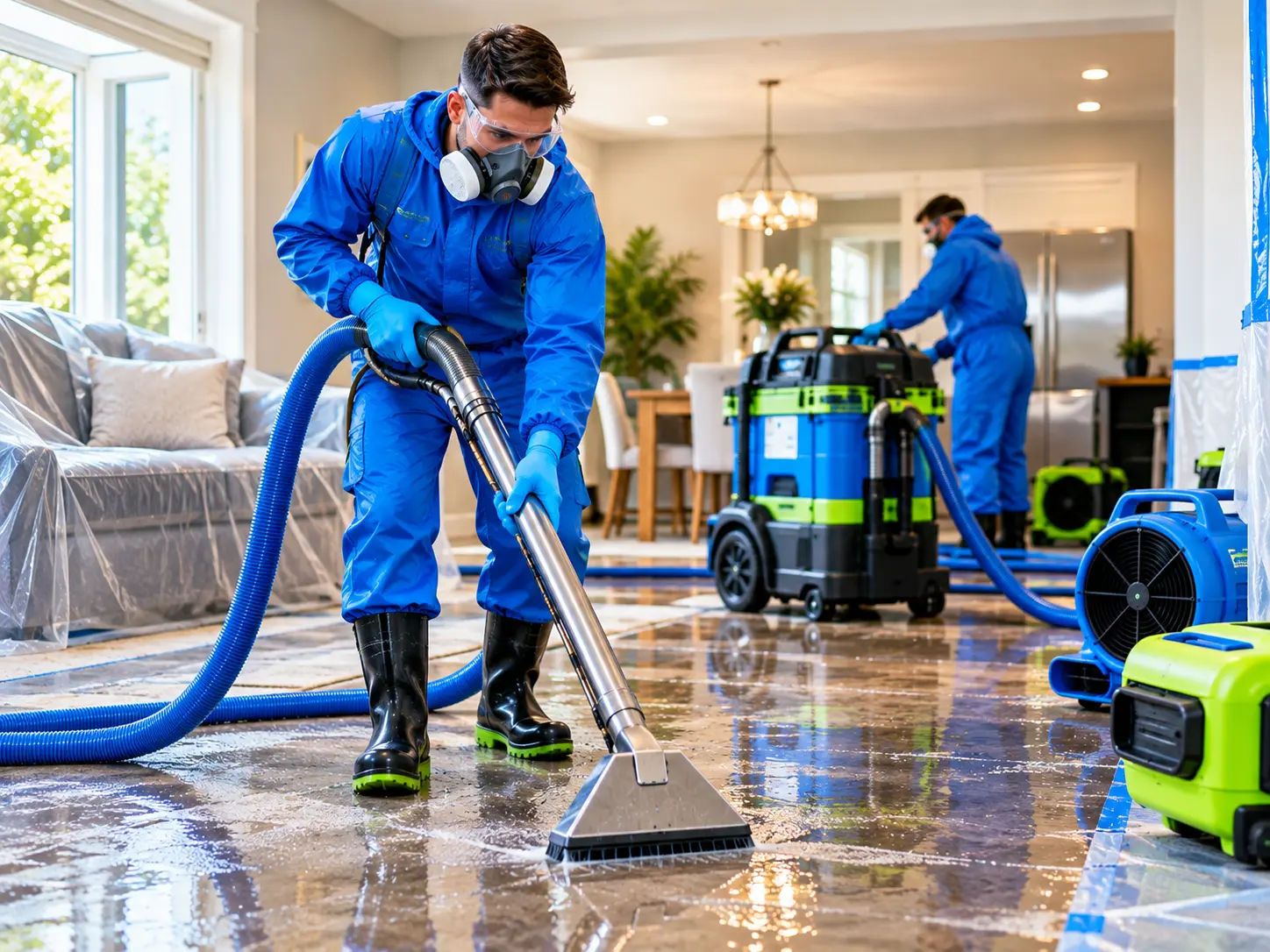
During service, expect visible containment measures like plastic sheeting and negative air setups when required for decontamination. After extraction and sanitation, professionals will verify moisture reduction and may recommend localized repairs, replacement of damaged materials, or follow-up mold inspection if microbial growth is suspected. You should also receive documentation describing work completed and any recommended next steps.
What preparation should customers do before service?
Provide accurate information about the affected area, access points, and any health concerns among occupants when scheduling. Clear small items and valuables from the affected zones if it is safe to do so, and avoid walking through contaminated areas to reduce cross-contamination. If utilities are at risk or electrical equipment is wet, do not attempt to switch power back on—inform the team so they can coordinate safe procedures.
Have insurance information and property ownership documentation ready if you plan to file a claim. Note locations of floor drains, cleanouts, and utility shutoffs so technicians can locate system access quickly. If there are pets or vulnerable occupants, inform the crew so they can suggest temporary relocation steps during active extraction and sanitation.
What equipment and materials are involved?
Sewage Water Extraction typically uses submersible pumps, truck-mounted vacuum units, portable wet vacuums, and extractors designed for contaminated fluids. Technicians rely on moisture meters, infrared cameras for hidden moisture detection, negative air machines for containment, and HEPA-filtered vacuums for particulate removal. Protective gear includes impermeable gloves, respirators or N95 masks when required, and disposable coveralls to prevent cross-contamination.
Disinfectants are selected based on pathogen reduction needs and surface compatibility; professionals use EPA-registered products applied per manufacturer instructions. Containment materials may include plastic sheeting, zip walls, and absorbent pads, while removed porous materials are bagged in heavy-duty biohazard or labeled waste containers for transport. All equipment choices reflect the contamination category and working space constraints.
What safety and health precautions apply?
Safety begins with hazard identification: technicians assess electrical hazards, slip and trip risks, and chemical exposures before entry. Workers use appropriate personal protective equipment and engineering controls such as ventilation, containment, and negative pressure when required. Work areas may be restricted until sanitation and decontamination measures reduce bacterial and viral loads to safe levels for occupants.
Do not attempt to extract sewage using household vacuum cleaners or unprotected hands; these actions increase health risk and can damage equipment. Professional teams follow handling protocols for contaminated waste to protect workers and the public during transport and disposal. If you or occupants have health concerns after exposure, consult a medical professional for guidance.
How long does Sewage Water Extraction take and what affects duration?
Duration can range from a few hours for small, accessible incidents to multiple days for large commercial systems or complex hidden contamination. The main factors affecting time are the volume of contaminated water, the extent of porous material saturation, and the need for demolition or removal of building components. Accessibility and the presence of fixtures, machinery, or sensitive equipment also change labor requirements.
Drying time is separate from extraction time; drying can take days to weeks depending on humidity, temperature, and the materials involved. Professionals monitor moisture levels and only sign off when readings indicate acceptable moisture levels for safe reoccupation or further repair. Local disposal logistics and required regulatory steps can also add time for final completion.
What influences cost for Sewage Water Extraction?
Cost varies with scope, labor, equipment, disposal needs, and required follow-up work. Major cost drivers include the amount of contaminated material to remove, whether structural demolition is needed, and how difficult the affected area is to access. Additional charges may arise from required permits, special disposal procedures, or the need for third-party testing and containment systems.
Because every job differs, professionals provide estimates that explain the specific variables affecting price and what is included. Insurance coverage and claim handling can change out-of-pocket cost for property owners, so obtain and keep documentation that describes the incident and response actions.
What maintenance or follow-up may be required?
After extraction and sanitation, follow-up can include moisture monitoring, targeted repairs, and verification testing for microbial growth if visible mold or odor remains. Maintenance often involves repairing or replacing affected flooring, drywall, insulation, and HVAC components that were contaminated. Regular inspections of sanitary systems and timely sewer cleanouts can reduce the probability of future sewage incidents.
If the property experienced significant contamination, consider scheduling a post-remediation evaluation to confirm that conditions remain stable and that no secondary microbial growth has occurred. Professionals can advise on targeted maintenance like adjusting ventilation or installing backflow preventers to reduce recurrence risk.
How should you choose a Sewage Water Extraction provider in Birmingham, AL?
Choose a provider that explains the scope clearly, demonstrates procedural knowledge, and provides documented plans for extraction, sanitation, and disposal. Ask about their process for assessing contamination category, the equipment they plan to use, and how they handle contaminated waste. Request written estimates and documentation of the steps they will take for safety and quality verification.
Ask specific questions such as whether they perform moisture mapping, what disinfectants they use, and how they document work for insurance purposes. Verify that the provider communicates expected timelines, follow-up procedures, and what elements could change the scope or cost. Select a team that responds to your specific property needs and provides clear instructions for occupant safety during the work.
Contact the team to discuss your Sewage Water Extraction needs at (888) 679-3880. Provide a short description of the incident, where the sewage appears, and whether you suspect hidden contamination so the dispatcher can prepare appropriately.
FAQ
Q: Can I safely remove sewage myself to save money? A: DIY removal of sewage increases health risk and often leads to incomplete cleanup; professional extraction is safer because technicians use proper PPE, containment, and disposal methods. Attempting removal with household equipment can spread contamination, introduce pathogens into HVAC systems, and create conditions for mold growth. If you must take immediate action, restrict access to the area and avoid contact; contact a professional for a comprehensive response.
Q: Will Sewage Water Extraction documentation help with insurance claims in Birmingham, AL? A: Yes, documentation that outlines scope, actions taken, photographs, moisture readings, and disposal receipts supports an insurance claim, but specific coverage depends on your policy terms. Request a written job report and keep copies of all invoices and waste manifests to present to your insurer. Insurance adjusters may ask for post-service verification or receipts for repairs.
Q: How do professionals determine if porous materials must be removed? A: Technicians assess material porosity, contamination depth, and the contaminant category to decide whether a material is salvageable. Porous materials like carpet padding, insulation, and certain drywall typically absorb sewage and are often removed when contaminated, while non-porous surfaces may be disinfected and cleaned. Decisions consider health risk, structural impact, and potential for microbial growth.
Q: Are there disposal restrictions for extracted sewage in Birmingham, AL? A: Disposal requirements vary and professionals follow local regulations for transporting and disposing of biohazardous liquids and contaminated materials. Service providers coordinate with licensed disposal facilities and use approved waste containers and manifests when required. You may ask your provider to explain their disposal chain-of-custody procedures for transparency.
Q: How soon can occupants return after extraction and sanitation? A: Return times depend on the contamination level, drying results, and whether demolition or repairs are required; professionals verify reentry readiness using moisture readings and visual checks. For minor incidents with effective drying and sanitation, reentry can occur shortly after clearance; for larger events with structural work, reentry may be delayed until repairs finish. Always follow the written guidance the crew provides for safe reoccupation.
Q: Does Sewage Water Extraction include HVAC system checks? A: HVAC checks are not always automatic, but they are recommended when contamination reached ducts, vents, or registers; the service provider can inspect and clean or refer to an HVAC professional. Contaminants can travel through ductwork, so addressing the HVAC system prevents redistribution of contaminants or persistent odors. Ask the team to include HVAC evaluation in the initial scope if you suspect system involvement.
Q: What records should I keep after an extraction job in Birmingham, AL? A: Keep the written scope, final report, moisture readings, photographs of affected areas, disposal receipts, and invoices for repairs and cleanup. These records aid insurance claims and future property inspections. Maintain contact information for all professionals involved in case follow-up questions or additional work are needed.
Q: Can commercial properties use the same extraction approach as homes? A: The general principles are similar, but commercial properties often require larger equipment, additional containment, and coordination with building management and tenants. Commercial systems may involve larger sewage loads, specialized fixtures, and stricter business-continuity considerations. Providers evaluate commercial operations for permit needs, business interruption implications, and tailored waste-handling procedures.
Q: What steps reduce the chance of sewage backups in the future? A: Regular plumbing maintenance, timely sewer cleanouts, installation of backflow preventers when appropriate, and avoiding flushing non-degradable items reduce backup risk. Property owners should also monitor landscaping and drainage near sewer cleanouts to prevent blockages. Documenting maintenance and repairs helps identify trends and supports preventive planning.
Contact the team about your Sewage Water Extraction needs at (888) 679-3880 to discuss the incident, schedule an assessment, or request a written estimate. Preparing basic information—where the sewage is, how long it has been present, and whether occupants are vulnerable—speeds up response and helps teams bring the right equipment.
[End of Article]
Quality Assurance
We guarantee exceptional sewage water extraction results with every project.
Prompt Service
On-time service delivery with attention to every detail.